How Often Should I Tune My Piano?
Twice yearly is standard; new pianos and house moves need more. Why Yorkshire's seasonal humidity changes the answer.
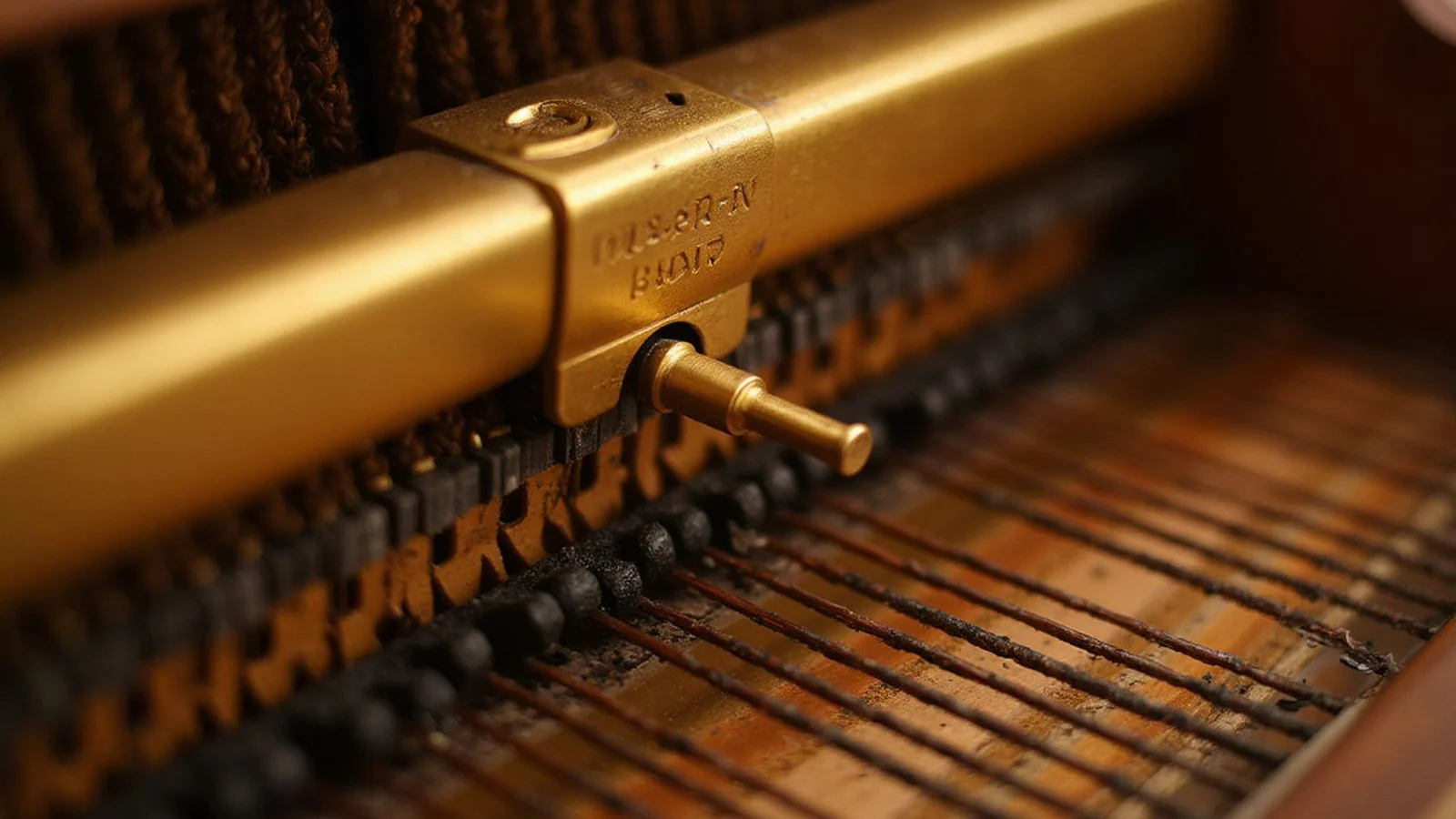
The honest answer to “how often should I tune my piano” depends on three things: the instrument’s age, room climate, and your playing habits. Most owners who book our piano tuning service settle into a steady rhythm once they understand the pattern.
Our team works with hundreds of instruments each year, and we see the effects of ignored maintenance every single day. An average piano holds over 18 tons of tension across roughly 230 strings.
This immense pressure means the pitch naturally slips as the wood reacts to seasonal changes. Let’s look at the data, what it is actually telling us, and explore a few practical ways to respond.
The default: twice a year
Determining how often tune piano UK climates require comes down to watching the seasons. Two tuning visits per year is the right cadence for a settled instrument in a typical home.
Our standard recommendation is to book once in the autumn, right after the central heating comes on, and once in the spring when it goes off. These points mark the biggest indoor humidity transitions in British homes.
| Season | Environmental Shift | Action Required |
|---|---|---|
| Autumn | Central heating turns on, drying the air. | Schedule first annual tuning. |
| Spring | Heating turns off, humidity rises. | Schedule second annual tuning. |
At £85 per standard visit, annual tuning runs at £170. That is realistic upkeep for an instrument worth several thousand pounds.
When you should tune more often
A new piano in its first year
New pianos are still settling into their massive structural tension. The fresh steel strings stretch gradually for 12 to 18 months after leaving the factory. Yamaha and Kawai officially recommend a higher piano tuning frequency during a piano’s first year to compensate for this rapid settling.
We include the first post-settling tune in the purchase price at Keys & Co. Expect to book additional visits at standard rates to keep the pitch stable. You should plan for:
- A tuning at 3 months.
- A tuning at 6 months.
- A tuning at 12 months.
After a house move
Any piano move will disrupt the delicate string tension. A full house relocation requires tuning roughly four to eight weeks after the move. This waiting period gives the wood time to acclimatise to the new room’s specific humidity levels.
Our technicians often see pianos drop significantly in pitch if tuned too soon after arriving. Waiting ensures your money is well spent.
In a volatile climate
When considering how often piano tuning is necessary for a conservatory, the answer is usually much more frequent. Expect rapid changes if the piano lives in a room with big temperature swings.
Conservatories are particularly hostile environments, as rapid heating and cooling wreaks havoc on the tuning pins. We strongly advise moving the instrument or installing a dedicated internal humidity control system like a Dampp-Chaser. See our piano humidity in North Yorkshire guide for specific local advice.
Active learners in exam season
A fresh tune is essential if someone in the house is preparing for an ABRSM grade exam. The student’s ear listens to an increasingly out-of-tune instrument during daily practice.
Our local examiners expect strict concert pitch at A440 Hz for all formal assessments. Book a technician about two to three weeks before the following common exam periods:
- Spring term assessments (March).
- Summer term assessments (June/July).
- Autumn term assessments (November/December).

When once a year is enough
Annual tuning can sometimes suffice for pianos in exceptionally stable rooms. This ideal environment requires a consistent temperature and a strict indoor humidity between 40% and 55% year-round. Such stability is incredibly rare in older UK properties like Victorian terraces.
We find that owners frequently assume their room is stable when a basic digital hygrometer would prove otherwise. If you go longer than a year, you risk two specific structural problems:
- The piano drifts significantly below concert pitch. The next visit needs a pitch raise, which means pulling all strings up to standard before the fine tune. This extra labour costs £30 to £60 on top of the standard tune.
- Individual string tensions become unbalanced. This uneven tension can eventually cause action and tone issues beyond simple tuning.
Why pianos need tuning at all
Three distinct factors pull an acoustic instrument out of tune over time:
- Humidity. The soundboard, usually made of Sitka spruce, swells and shrinks with airborne moisture. This physically alters the string tension.
- Temperature. Placements near radiators or against external walls create micro-climates that warp the wood.
- Use. Heavy playing causes tiny shifts in the tuning pins and compacts the felt hammers.
Humidity acts as the biggest culprit by a wide margin. Our technicians see unplayed pianos drift drastically just from seasonal moisture changes. A piano holding 20 tons of tension will fall out of tune even if it is never touched.
What a £85 tuning visit covers
The current average rate for a standard UK tuning in 2026 sits around £85 to £95. Our standard visit costs £85 and is highly comprehensive. The process addresses several key mechanical areas:
- Pitch check. Measuring exactly how far the piano has drifted.
- Pitch raise. An additional service required only for severe pitch drops.
- Full aural tune to A440. Bringing the instrument to strict ISO 16 concert pitch. This takes around an hour for a stable piano.
- Minor regulation. Small adjustments to key travel, damper timing, and pedal linkages.
- Pedal and damper check. Ensuring smooth, quiet operation.
- Written note. A summary of anything worth attention at the next visit.
Who we tune for
Tuning at Keys & Co. is currently prioritised for customers who have bought a piano from us. We also serve a select number of long-standing local clients. This tight geographic focus lets us keep visit times precise across three core areas:
- Harrogate
- York
- Ripon
North Yorkshire weather brings its own unique humidity challenges, and local expertise makes a real difference. Please still get in touch if your piano came from elsewhere. We can often fit you in, or we will gladly recommend a trusted local colleague.
The practical next step
Book your next visit by ringing the showroom on 01423 555 012 or emailing hello@keysandco.co.uk. Our team works in geographic clusters, so we usually propose a few dates that already have other visits in your area.
If you are wondering how often should I tune my piano right now, the signs your piano needs tuning guide has a 30-second self-check. This quick assessment will help you decide if it is time to call.