Yamaha vs Kawai
An unbiased Yamaha vs Kawai comparison from a dealer authorised for both. Tone, action, model ranges, and what matters more than brand.
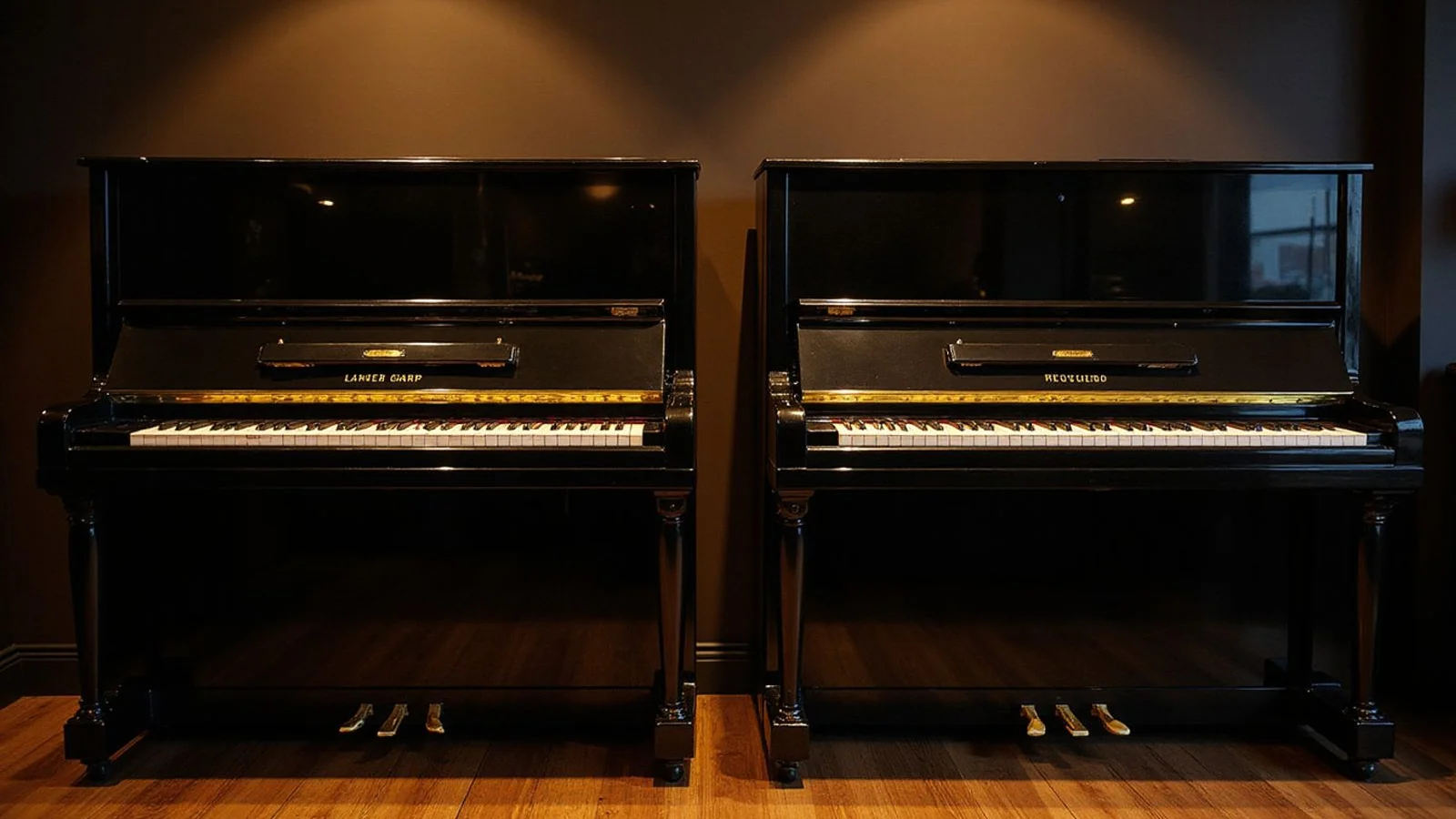
Our showroom floor constantly hosts the classic debate of Yamaha vs Kawai piano models. Both marques feature prominently among our new pianos at Keys & Co., often set up in the same viewing room for side-by-side play.
Deciding between these two Japanese giants usually comes down to subtle differences in touch and tone. Both manufacturers build exceptional instruments across every price bracket.
We are one of the few Yorkshire showrooms authorised for both brands, giving us a completely neutral perspective. The choice of which piano brand to purchase genuinely depends on your individual preferences.
Let us look at the engineering, the current 2026 pricing, and the practical differences to help you make a clear choice.
Tonal character
The fundamental difference in the Kawai vs Yamaha comparison begins with the sound profile. Yamaha pianos deliver famous clarity and articulation.
The tone tends to be brighter, featuring a defined attack and distinct note separation. We often recommend Yamaha for players who want each note to speak distinctly.
This brilliant sound cuts through perfectly for specific musical applications:
- Pop and contemporary accompaniment
- Jazz ensembles where the piano must cut through the mix
- Articulate classical repertoire like Bach or Mozart
Kawai instruments lean much warmer and rounder by design. The bass section carries more body, while the treble frequencies sound slightly less bright.
Our technicians attribute this warmth to Kawai using underfelted mahogany core hammers, which give legato singing lines a distinct silkiness. This tonal profile works beautifully for players who prefer a romantic, less immediate sound.
Neither approach is right or wrong. The preference usually becomes obvious within five minutes of playing both brands side by side.
Action technology
The action mechanism is where these two brands diverge the most technically. Yamaha relies on refined wooden components, while Kawai utilises modern composite materials.
The Yamaha Wooden Action
Yamaha uses a traditional wooden action for both its uprights and grand pianos. This design represents decades of accumulated engineering, offering a predictable response across the dynamic range.
We appreciate how Yamaha seasons its wood specifically for the destination market. A piano destined for the UK receives different moisture conditioning than one staying in Asia, ensuring excellent stability.
The Kawai Composite Action
Kawai uses a composite action, specifically the Millennium III on uprights and a carbon-fibre reinforced version on their grand pianos.
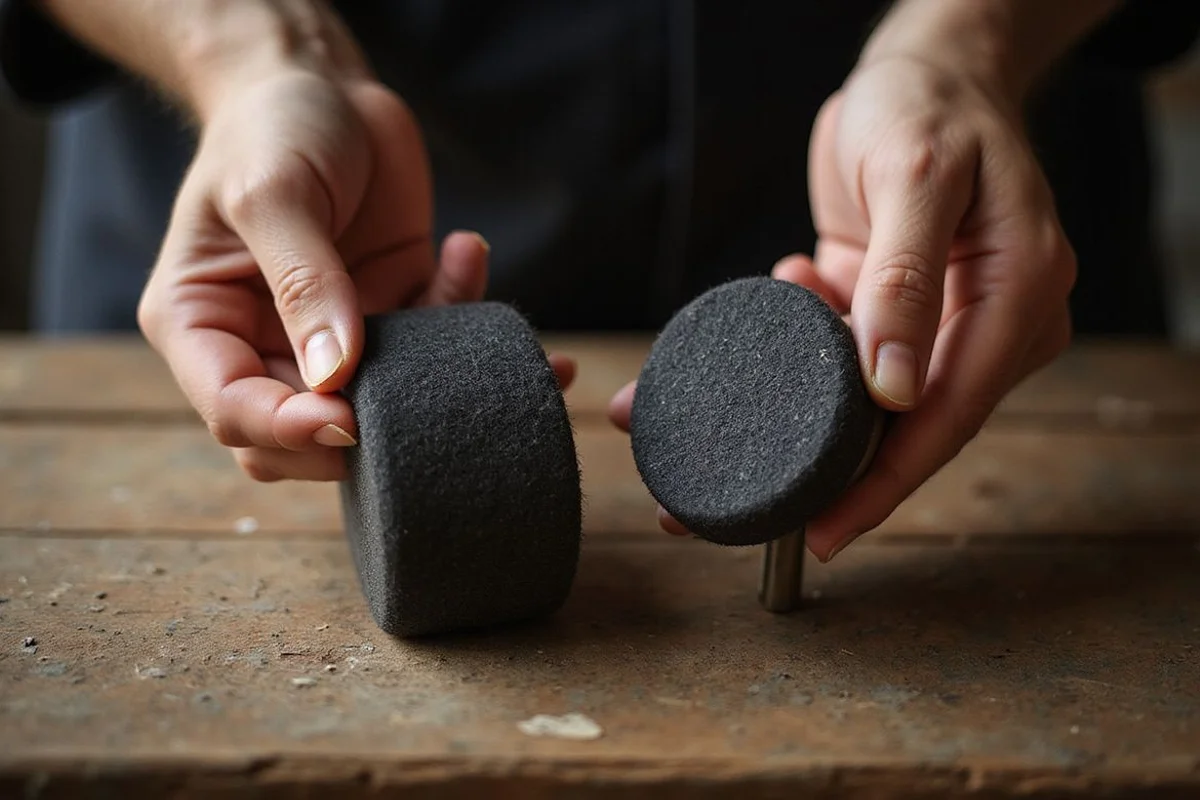
Our maintenance logs show that these ABS-Carbon parts are significantly stiffer and lighter than traditional wood. This material choice allows for faster repetition and makes the action highly resistant to the humidity fluctuations common in British centrally heated homes.
The trade-off is simply a different feel under the fingers. Some players prefer the organic feedback of wood, while others favour the lightning-fast consistency of the composite design.
We can assure you that neither action will fail during any normal lifespan. Both mechanisms easily last 40 years of serious playing when given standard annual maintenance.
Model range parallels
Comparing specific models makes the purchasing decision much easier. The product ranges from both manufacturers map onto each other very closely:
| Tier | Yamaha | Kawai |
|---|---|---|
| Entry upright | B1, B2, B3 | K-15E, K-200 |
| Mid upright | U1 | K-300, K-500 |
| Premium upright | U3 | K-800 |
| Baby grand | GB1K, C1X | GL-10, GX-1 |
| Mid grand | C2X, C3X | GL-30, GX-2 |
| Premium grand | C5X, C6X | GX-5, GX-6 |
At the entry level, the choice almost always comes down to the Yamaha B1 against the Kawai K-15E. Both are excellent compact pianos, but they take different construction approaches.
We point out to beginners that the B1 uses a 3-ply laminated soundboard for incredible durability in busy households. The K-15E steps up to a solid spruce soundboard, offering a slightly richer resonance at a similar price point.
Moving up the range, the mid-upright tier pits the iconic Yamaha U1 against the Kawai K-300. The U1 is a 121cm tall industry standard, while the K-300 sits just slightly taller at 122cm.
Our customers frequently test these two exact models back-to-back in the showroom. For a detailed comparison of Yamaha’s two best-known uprights specifically, see our Yamaha U1 vs U3 guide.
Price positioning
Pricing structures between the two brands reflect their different manufacturing locations and market positions. While entry-level models are priced similarly, the mid-range shows a significant divergence.
Here is a quick snapshot of average UK retail prices in 2026:
- Yamaha B1: Approximately £2,995
- Kawai K-15E: Approximately £3,245
- Kawai K-300: Approximately £5,000
- Yamaha U1: Approximately £9,500 to £10,500
We see a massive price gap at the mid-upright tier between the U1 and the K-300. This substantial difference comes down entirely to the factory location.
The Yamaha U1 is built in their premium Japanese facility, which commands higher labour and production costs.
Our team notes that Kawai produces the K-300 in their Indonesian factory. This strategic move allows Kawai to offer exceptional specifications at a highly competitive price.
Yamaha’s immense brand recognition does lend its Japanese-made uprights marginally stronger resale value over time. However, Kawai provides undeniably better specifications for the same money if your budget tops out around £5,000.
Silent system options
Both manufacturers offer sophisticated factory-fitted silent systems that allow you to play through headphones without losing the acoustic touch. These systems use non-contact sensors to translate your key strokes into digital sound.
Both brands offer factory silent systems:
- Yamaha SILENT (SC3, SH3): Features CFX and Bösendorfer binaural sampling, utilising non-contact electro-magnetic sensors.
- Kawai AURES 2 / ATX4: Uses the piano’s own soundboard as a speaker on AURES models, or traditional headphones on ATX.
We highly recommend the latest iterations of these systems for anyone living in a terraced house or flat. The Yamaha SH3 system now includes Virtual Resonance Modeling, which brilliantly simulates the natural vibration of the strings and dampers.
Kawai’s updated AURES 2 system counters with its Integrated Hammer Sensing System. This setup uses high-resolution optical sensors to capture the exact speed of the hammer, providing incredibly accurate dynamic control.
Read our silent piano systems explained guide for the full details.
Resale behaviour
Both brands are highly liquid on the second-hand market across the UK. You can purchase either make with confidence knowing they hold their value better than almost any other piano manufacturer.
In practice, this means:
- Pre-owned Yamahas and Kawais sell quickly when well-prepared and tuned.
- Part-exchange values hold up exceptionally well at our Yorkshire showroom and elsewhere.
- Neither brand depreciates catastrophically in the first decade.
We tell buyers to expect a standard depreciation rate of around 20% to 30% over the first five years of ownership. After this initial period, the financial value stabilises significantly.
This curve applies almost equally to both manufacturers. If you buy a new instrument and decide within a year that you want the other brand, you will take a modest loss on a trade-in, but nothing painful.
The honest bottom line
In 25 years of selling both brands, the biggest predictor of a successful purchase is simply which instrument you warm to first. Personal feel matters far more than any technical specification or online review.
Our suggestion is to book a private viewing. Share your budget and your current playing stage, and the showroom staff will set up a Yamaha and a Kawai at the same tier side by side.
Play each piano for fifteen minutes without looking at the price tag, as the right instrument for you will be the one your hands and ears keep going back to. If you are debating Yamaha or Kawai, this tactile test cuts through all the marketing noise, and it is exactly how almost every customer makes their final decision.