Best Piano for Small Yorkshire Homes
Compact upright piano options for Harrogate and York terraced, semi-detached, and flat interiors. Footprints, acoustics, and silent-piano options compared.
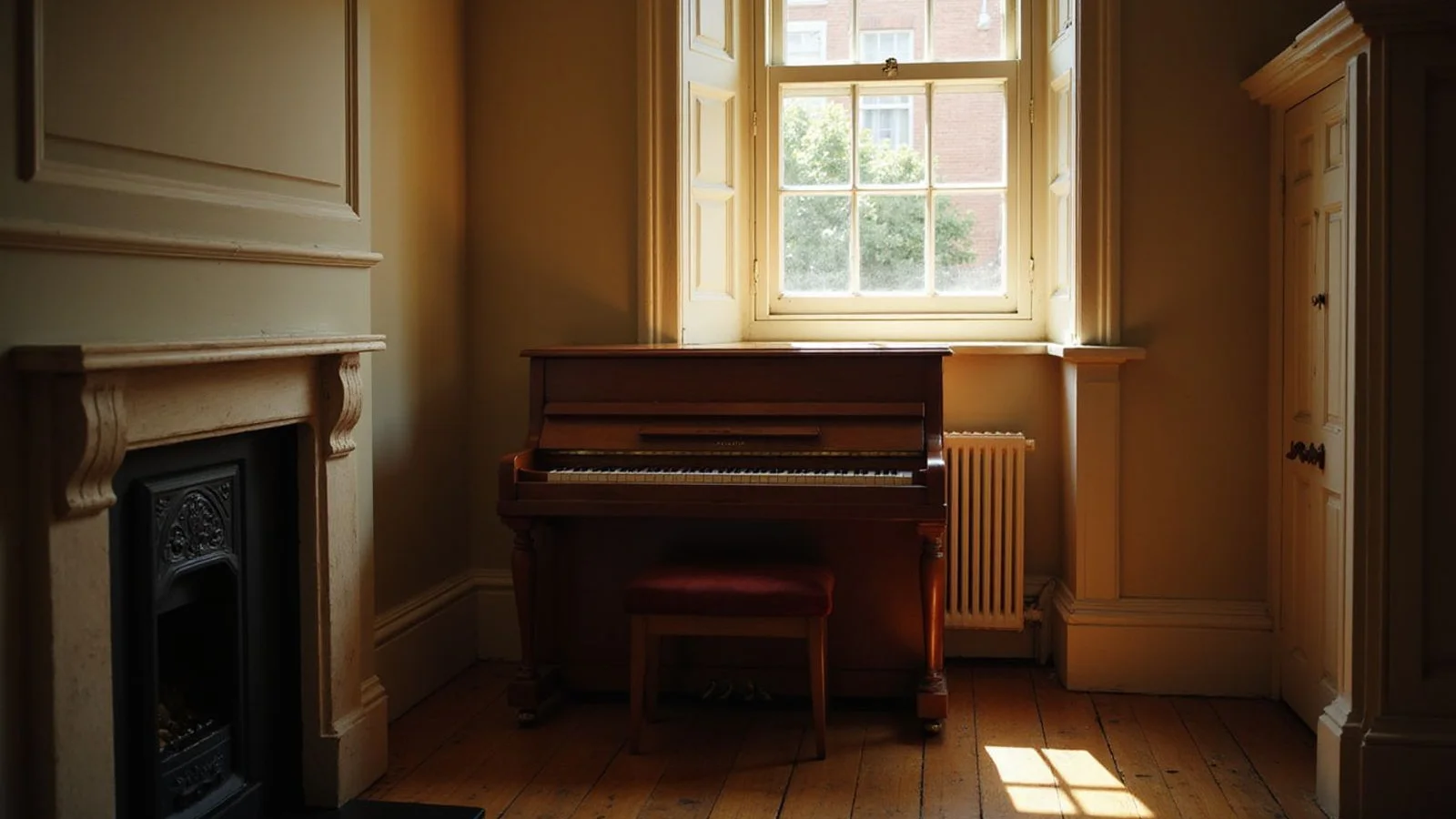
We often hear a familiar concern from local customers searching for the best piano for small homes. Yorkshire housing stock certainly leans small-to-medium, so terraces, Victorian semis, stone cottages, and flats above the high street present unique spatial challenges.
Finding the sweet spot between physical footprint and musical capability is the real secret.
Our delivery teams regularly serve these properties, and we know they comfortably accommodate an upright if you pick the right model. The size of the instrument dictates both how it fits through the door and how it interacts with your room’s acoustics. Let’s look at the compact uprights we recommend most often to Harrogate, York, and Ripon buyers, and walk through exactly how to measure your space.
The compact upright shortlist
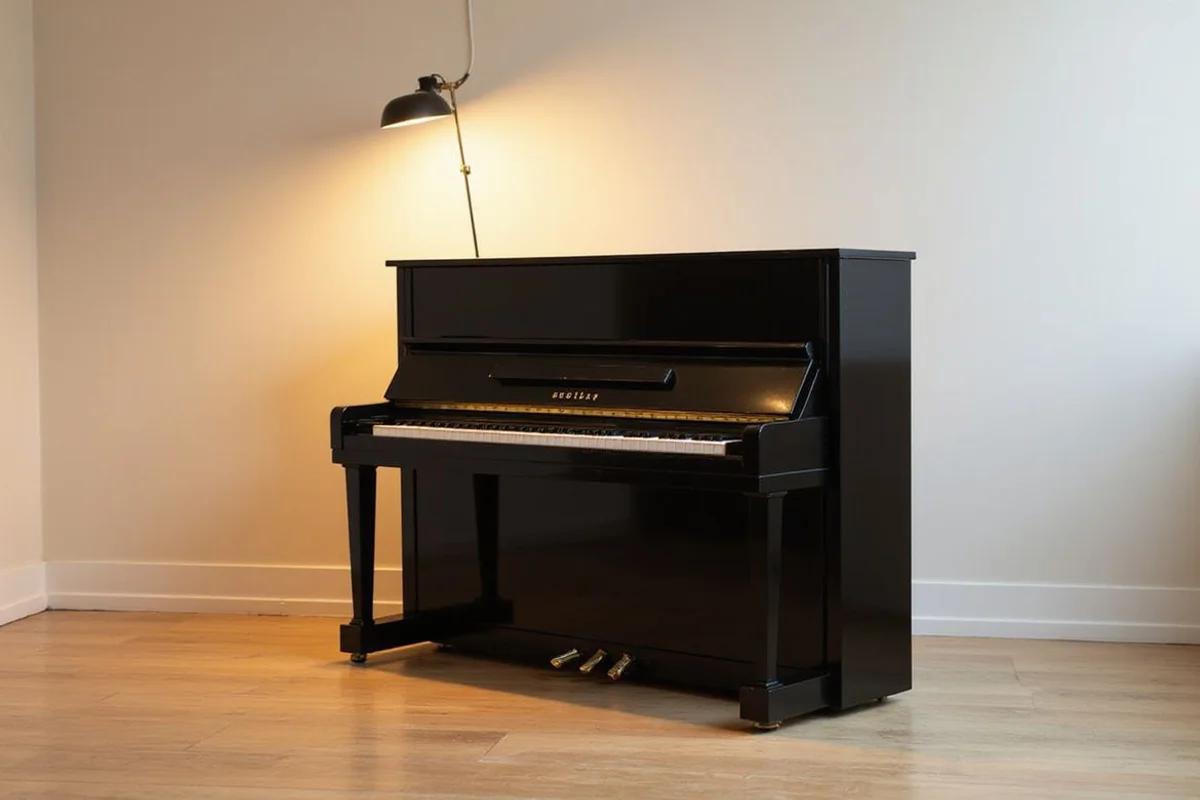
Our showroom floor features dozens of options, but three specific models handle the “small Yorkshire home” brief better than anything else. These instruments provide proper acoustic actions without taking over your floor plan. They also hold their tuning exceptionally well in smaller, modern rooms.
Yamaha B1
- Height: 109cm
- Width: 148cm
- Depth: 54cm
- Price: £3,500 - £4,500 new
We constantly recommend the B1 as the ideal first piano for compact spaces. The smallest proper acoustic Yamaha stands just 109cm tall. It features a full 88-key range, real hammers, and a laminated spruce soundboard designed for durability.
Our technicians find this specific soundboard construction helps keep the instrument affordable while still producing a remarkably warm tone. Buyers can also order this model directly from the Indonesian factory with an optional silent system installed.
Yamaha B2
- Height: 113cm
- Width: 149cm
- Depth: 57cm
- Price: £4,500 - £5,500 new
A step up from the B1 provides noticeably more bass presence. We always point out that the B2 upgrades to a solid spruce soundboard. This material change creates a much richer resonance and requires a slightly taller 113cm cabinet.
It remains small enough for most terraced living rooms. Our instructors believe the tonal difference is highly worthwhile if you expect the learner to progress beyond Grade 3.
Kawai K-15E
- Height: 110cm
- Width: 148cm
- Depth: 56cm
- Price: £3,700 - £4,800 new
The Kawai equivalent of the B1 brings a completely different flavour to a compact space. This 110cm model delivers the warmer, rounder tone that defines Kawai’s signature character. We love the inclusion of the Millennium III composite action in this instrument.
This specific action uses ABS-Carbon parts, making it incredibly responsive and highly resistant to changes in room humidity. Readers comparing these two leading brands can find more detailed advice in our Yamaha vs Kawai guide.
What to measure before you buy
We need three specific measurements before confirming any delivery. A standard internal door in England and Wales measures 762mm wide, which is commonly known as a two-foot-six door. Scottish properties often feature slightly narrower 726mm frames.
Our moving crews can easily slide a 54cm deep piano sideways through either of these standard openings. Finding the best piano for terraced house layouts often comes down to these exact millimetres. Make sure to record these three essential figures before ordering:
- The narrowest door or passage: We require the tightest measurement between the pavement and the final position, keeping in mind a 148cm-wide model needs a clear 70cm doorway.
- The wall space: The designated area needs the full width of the piano plus an extra five centimetres of breathing room.
- The floor-to-ceiling clearance: Most compact uprights want 115cm of vertical clearance to pass under stair landings or sloped ceilings.
We have successfully placed pianos in top-floor Harrogate flats, converted stone barns in Ripon, and narrow Victorian terraces in York. Anyone worried about a tight fit can send photos with dimensions, and James will provide a definitive answer before purchase. Proper planning guarantees a smooth installation.
Acoustics in small rooms
Our customers are often surprised to learn that an upright piano transmits most of its sound from the rear soundboard. Small rooms can easily make any acoustic instrument feel overwhelmingly loud. Hard-surface rooms with polished floors, bare walls, and glass will amplify the frequencies.
We strongly suggest introducing soft materials to tame this natural reverberation. Simple household items and targeted acoustic treatments help enormously. Consider adding these specific elements to your room:
- Acoustic panels: We recommend placing a sound-absorbing board directly behind the piano to significantly cut airborne noise bouncing off the wall.
- Soundproof mats: A rubber or foam mat between five and ten millimetres thick will stop structure-borne vibrations travelling through the floorboards.
- Soft furnishings: Curtains of any weight and fabric-covered sofas absorb high frequencies effectively.
- Bookshelves: We love using shelves filled with real books as acoustic diffusers to break up sound reflections beautifully.
- Strategic spacing: Pulling the piano a few inches away from the wall allows the soundboard to breathe.
- Wall positioning: Pushing the instrument completely flush against the wall naturally muffles the acoustic output.
We advise experimenting with these elements before deciding your space is simply too loud. Many acoustic problems disappear once the correct furnishings are introduced.
The silent option for shared walls
Shared walls in a terrace or semi-detached property make noise control a top priority. We highly recommend factoring a silent system into the budget if late-night practice is essential. Modern factory-fitted solutions, like the Yamaha SC3 silent system, offer an incredible compromise.
“The true magic of a modern silent piano is that the touch remains entirely acoustic, even when the sound is completely digital.”
A mechanical rail stops the hammers just before they strike the strings, while non-contact optical sensors translate your exact key motions into digital data. Our favourite feature of the SC3 system is the incredibly realistic Binaural Sampling technology. This digital engine provides a beautifully recorded Yamaha CFX concert grand tone directly through your headphones.
Players simply lock down the middle pedal to engage the mute rail, and the acoustic instrument plays normally once disengaged. Our comprehensive silent piano systems explained guide covers the complete technical detail.
A final thought
A compact living space rarely stops people from owning a beautiful acoustic instrument. It simply narrows the shortlist down to the most efficient and capable designs. We guarantee that any of the three models highlighted above will comfortably see a learner through Grade 5 and well beyond.
Finding the absolute best piano for small homes requires experiencing the touch and tone in person. This practical comparison lets you feel the physical and musical differences for yourself.
We invite you to bring your measurements to the showroom before making a final decision. The team will happily set up a compact and a mid-range model side by side in a private room.