Best Piano for a Child Starting Lessons
Concrete model recommendations for a child's first piano — Yamaha B1/B2, Kawai K-15E — plus budget tiers and why a real acoustic beats a keyboard.
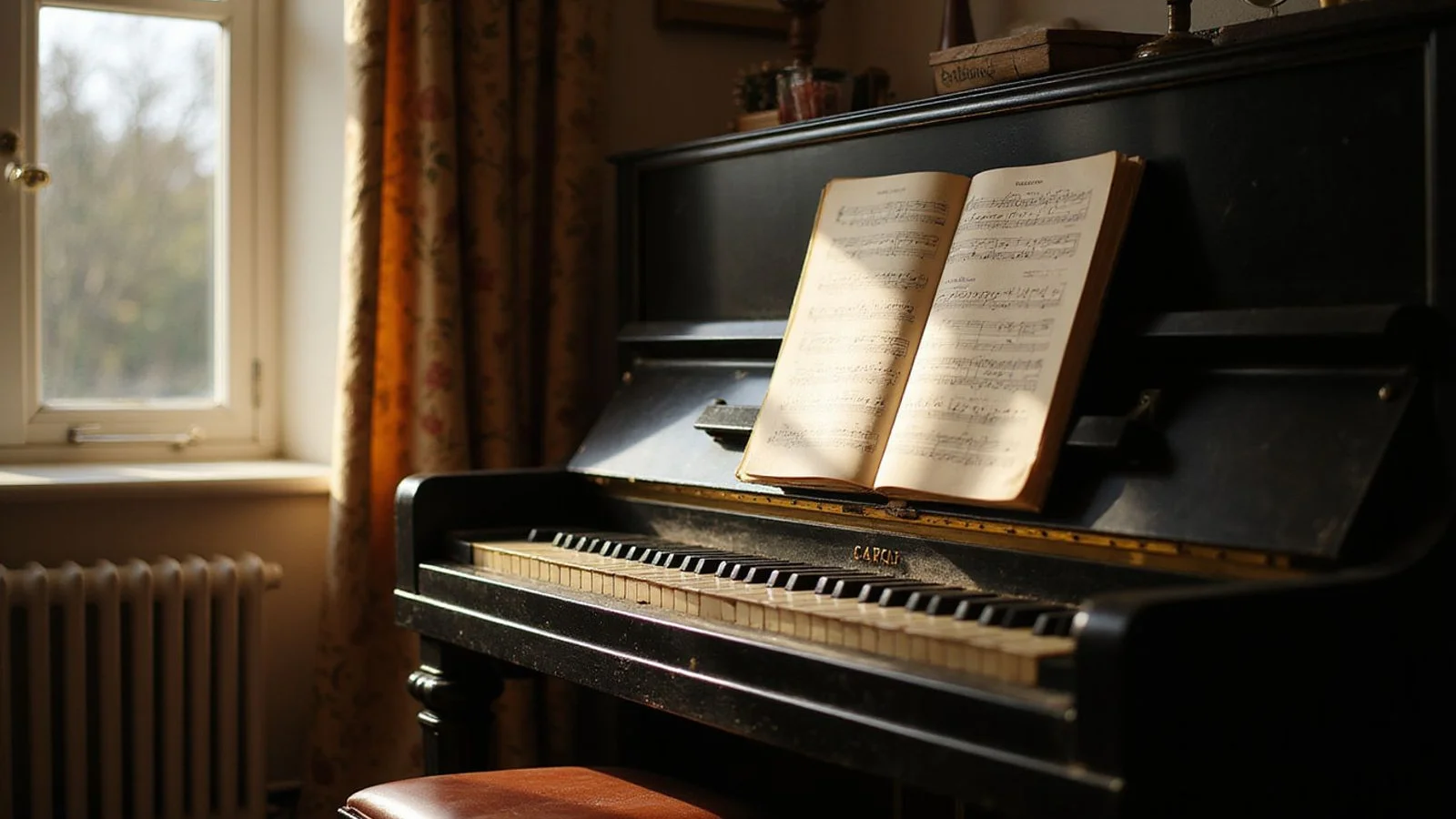
Our professional service team regularly speaks with parents balancing piano lessons against household budgets. You know how tricky it is to choose the best piano for child starting lessons without overspending. Before you visit, it is worth glancing at our new piano range so you arrive with a sense of what sits in each budget tier.
Space constraints also make the decision much harder.
We have put together a shortlist of real acoustic pianos capable of taking a learner through Grade 5, all available from our Harrogate showroom. This guide breaks down the true cost of getting started. Finding the right beginner piano for kids involves more than just picking the lowest price.
Why an acoustic, not a keyboard
We firmly recommend an acoustic piano because its authentic weighted hammer action builds essential finger strength. Digital keyboards typically use spring-loaded mechanisms that can fail to prepare a student for complex repertoire. The first instinct for many parents is to buy a digital model because it looks cheaper.
Our technicians understand the appeal, but the long-term benefits of an acoustic instrument far outweigh the initial convenience. Here is exactly why a traditional instrument remains the superior choice for a serious beginner. Consider these fundamental advantages:
- Dynamic response. We notice that a real hammer hitting a real string rewards careful touch. Quiet playing requires a different technique to loud playing. A child’s hands learn the difference quickly on a mechanical action.
- Finger strength. Our workshop experts confirm that acoustic action is heavier than a digital sensor system. A child who grows up on an acoustic has the finger strength to handle demanding pieces. Proper technique develops naturally against the resistance of wooden keys.
- Tonal ear. We find that a high-quality piano makes careful listening a pleasure. A digital keyboard flattens out subtle acoustic resonances. Developing a musical ear requires exposure to genuine overtones.
- Willingness to practise. We consider this the most critical factor for young learners. Children practise more consistently when the piano sounds like a real piano. A good secondhand upright for £1,500 is much better for a learner than a new £1,500 digital model.
We would rather supply you with a £2,999 Yamaha B1 than a £1,500 keyboard. In two years, you will still have a highly functional B1 retaining strong trade-in value. The investment in proper mechanics pays off immediately.
The shortlist: best piano for child starting lessons from £2,999
We frequently update this list based on current GB pricing and workshop performance data for 2026. These three upright models deliver exceptional value and reliable mechanisms for early learners. Each option fits comfortably into a standard home setting.
Yamaha B1: £2,999 to £3,395
Our most-recommended first piano currently starts at £2,999 in the UK market. Standing at 109cm tall, it features a highly compact profile that fits almost anywhere. The warm Yamaha tone comes from a 3-ply laminate soundboard across a full 88-note keyboard.
We can equip this model with an optional Yamaha SC3 Silent system for late-evening practice. This factory upgrade utilizes non-contact optical sensors to recreate the acoustic feel silently. A beginner gets the perfect blend of traditional touch and modern convenience.
Yamaha B2: £3,895 to £4,500
We highly suggest the B2 if you expect the child to push past Grade 3 quickly. At 113cm tall, this model offers noticeably more bass presence than its smaller sibling. The crucial difference is the solid Alaskan spruce soundboard, which provides superior resonance.
Our tuning records show it maintains the same reliable family character as the B1 but acts as slightly more instrument. Elegant front pedestal legs and castors also make the B2 easier to move. The extra height creates more internal space for the sound to develop.
Kawai K-15E: £3,149 to £3,489
We stock the K-15E as a direct and very capable competitor to the B1. This 110cm tall upright features a solid spruce soundboard and a warmer, rounder tone. It utilizes Kawai’s highly regarded Millennium III composite action with ABS Carbon Fibre parts for weather-resistant consistency.
Our customers often find the child may prefer one brand’s touch over the other. Personal preference dictates the final choice between these excellent entry-level uprights. Both brands offer reliable performance up to intermediate grades.
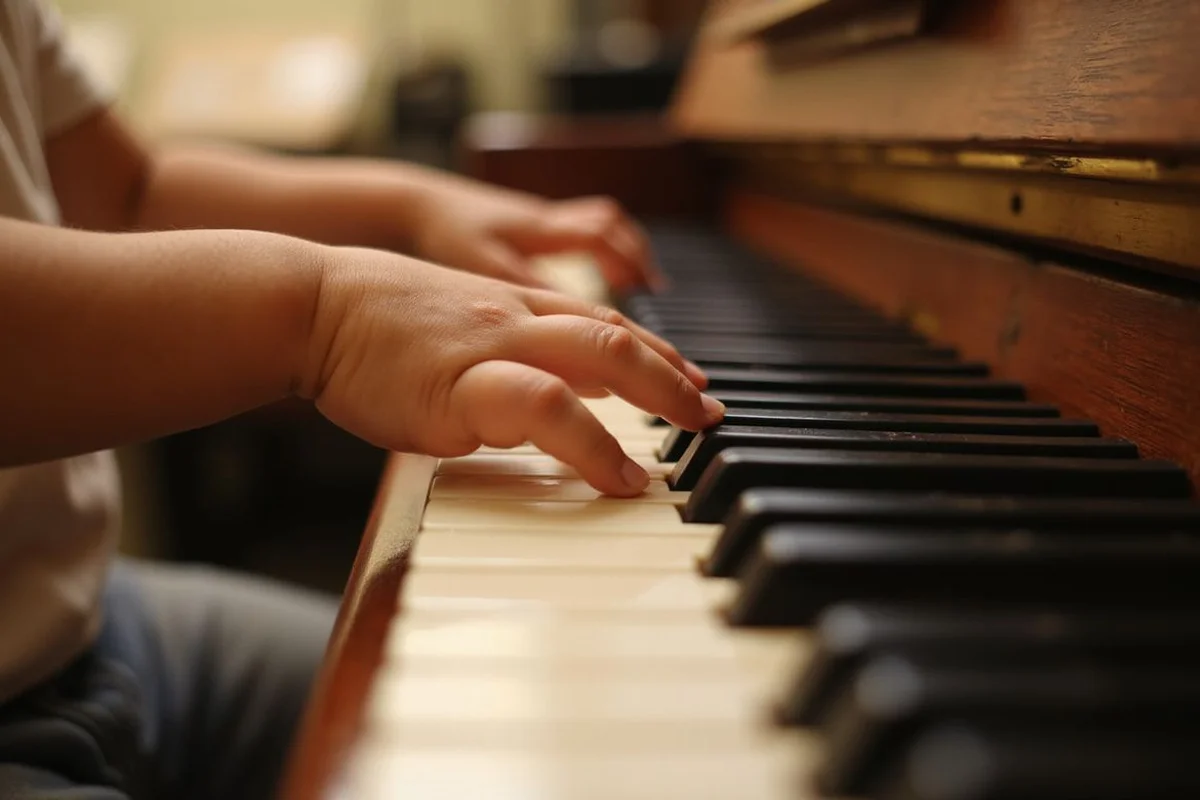
The budget-stretch option: quality pre-owned
We know a properly restored pre-owned upright at £1,500 to £3,000 will easily out-play any new piano at the exact same price. British heritage brands were built for incredible longevity and clean up beautifully in the workshop. The quality of materials used in older instruments often surpasses modern entry-level options.
| British Brand | Notable Workshop Feature | Typical Price Range |
|---|---|---|
| Kemble (Classic) | Often called the “Miracle piano” for its huge tone in a tiny frame. | £1,800 to £2,500 |
| Knight (K10) | Features a famously strong frame that eliminates unwanted brace bar interference. | £1,500 to £2,200 |
| Welmar (A2) | Delivers a deep tonal depth that rivals much larger modern instruments. | £2,000 to £3,000 |
We regularly source these exact models because they offer such stable tuning. If the initial budget is the binding constraint, a pre-owned instrument is almost always the smarter choice. A beautifully restored 1980s Welmar A2 completely changes the learning experience.
Our pre-owned pianos page has the current stock of workshop-certified instruments. For the full breakdown of benefits, see the detailed pre-owned vs new piano comparison. Every refurbished model undergoes strict regulation before reaching the showroom floor.
How long will these pianos last a learner?
We expect all the uprights above will comfortably see a child through their Grade 5 examinations.
A 2025 timeline study by WKMT in London indicates that the average consistent student takes about four years to reach Grade 5.
Most of these starter pianos will actually take them to Grade 8 if they keep going.
We advise that serious post-Grade-6 players eventually benefit from stepping up to a premium upright like the Yamaha U1 or Kawai K-300. These larger instruments feature longer strings and more sensitive actions for advanced repertoire. The initial purchase serves as a financial stepping stone for that exact moment.
Our part-exchange scheme credits the trade-in value of your existing acoustic piano directly against the new one. A well-maintained Yamaha B1 retains a significant portion of its original value. That means the starter piano isn’t wasted money, but rather a solid deposit on the next instrument.
Silent option for evening practice
We highly recommend factoring a silent system into the budget if your household has young children going to bed or shared walls. The current Yamaha SC3 and SH3 systems add roughly £1,500 to £2,500 above the standard acoustic price as a factory option. The child can practise through headphones at any hour without waking anyone.
Our technical team loves how these modules use an articulation sensor system to trigger high-quality digital samples while physically stopping the hammers. This setup completely cuts off the acoustic resonance while perfectly preserving the mechanical touch of the keys. Check out the silent piano systems explained guide for a detailed breakdown of how this technology works.
What to do next
We encourage you to bring the child directly to the showroom for a hands-on session. Take the process slowly and let the instrument speak for itself. Following a few simple steps ensures a confident purchase when choosing the best piano for child starting lessons:
- Our first recommendation: Let them play the B1, the B2, and the K-15E side by side in a private room. It usually becomes obvious within ten minutes which action and tone they prefer. A good first-piano purchase takes the time it takes.
- Our silent technology demonstration: Test the headphone systems in person. Hearing the CFX Grand samples through the SC3 module clarifies the value immediately. Ask the showroom staff to show how easily the middle pedal locks the acoustic sound away.
- We suggest checking dimensions: Measure your space before finalizing. Ensure there is enough room for the bench and the player to sit comfortably. The delivery team needs a clear path for a smooth installation.