How Much Does a New Piano Cost in the UK?
UK new piano prices by tier: entry upright £2,500-£4,000; mid-range £4,000-£8,000; premium £8,000-£12,000; grand £8,000-£45,000.

You know how confusing the acoustic instrument market can feel when price tags range from the low thousands right up to the cost of a luxury car. As a professional service team handling daily UK piano installations, we regularly see buyers searching for a true new piano cost UK estimate who feel overwhelmed by the options. The tiers on this page map directly onto our new piano collection in the showroom.
Those figures actually follow four distinct tiers of manufacturing quality and component selection.
Let us break down exactly what you get at each price point, outline the current 2026 market rates, and show you how to negotiate the best possible package.
Entry upright: £2,500 - £4,000
When people ask how much are new pianos for beginners, a reliable entry-level acoustic model currently costs between £2,500 and £4,000. We consider this the minimum starting point for any honest instrument.
At this tier, buyers receive a proper full-size action, a full 88-key range, and a tone that will comfortably carry a learner through to Grade 3.
Typical models:
- Yamaha B1 (£3,300 to £3,500): This 109cm model is compact and well-made in Indonesia. It features a strong 3-ply laminate spruce soundboard, making it highly resilient to climate changes in British homes.
- Kawai K-15E (£3,150 to £3,500): Standing at 110cm, this model offers a slightly warmer tone. It uses a solid straight-grained spruce soundboard and Kawai’s highly responsive action.
Most first-piano purchases for children land squarely in this bracket. Our guide on the best piano for a child starting lessons explains these recommendations in much greater detail.
Mid-range upright: £4,000 - £8,000
Stepping up to the £4,000 to £8,000 category buys a taller instrument with significantly longer strings and a richer bass response. These pianos transition from basic starter models into lifetime investments.
They feature superior components and an expanded dynamic range that will easily serve a dedicated student to Grade 8 and beyond.
Typical models:
- Yamaha B2 (£4,500 to £5,500): A 113cm instrument featuring a more traditional cabinet design.
- Yamaha B3 (£5,800 to £6,800): Measuring 121cm, this model upgrades to a solid spruce soundboard for a much deeper resonance.
- Kawai K-200 (£5,200 to £6,200): A 114cm option equipped with Kawai’s acclaimed Millennium III carbon-fibre action.
- Kawai K-300 (£6,800 to £8,000): A 122cm powerhouse that regularly wins industry awards for its touch and tone.
We often point out that the top of this band rivals premium models for musical expressiveness. You get exceptional playability at a much more accessible price point.
Premium upright: £8,000 - £12,000
The premium tier ranges from £8,000 to £12,000 and represents the absolute pinnacle of upright piano manufacturing. These are studio-class instruments crafted with the finest materials available.
They are the standard for teaching studios, small recording rooms, and the homes of serious amateur players.
Typical models:
- Yamaha U1 (£9,500 to £10,900): Built in Hamamatsu, Japan, this 121cm model uses solid Alaskan spruce.
- Yamaha U3 (£11,000 to £13,500): At 131cm, this towering instrument provides incredible projection and a massive bass response.
- Kawai K-500 (£9,500 to £11,500): A 130cm model featuring Neotex key surfaces to absorb moisture during long practice sessions.
- Kawai K-800 (£13,000 to £15,000): Kawai’s flagship 134cm upright, which offers a grand-style music desk and unparalleled tone.
Our team recommends comparing these options in person. If you are weighing the two most-asked-about Yamahas, see our detailed Yamaha U1 vs U3 comparison.
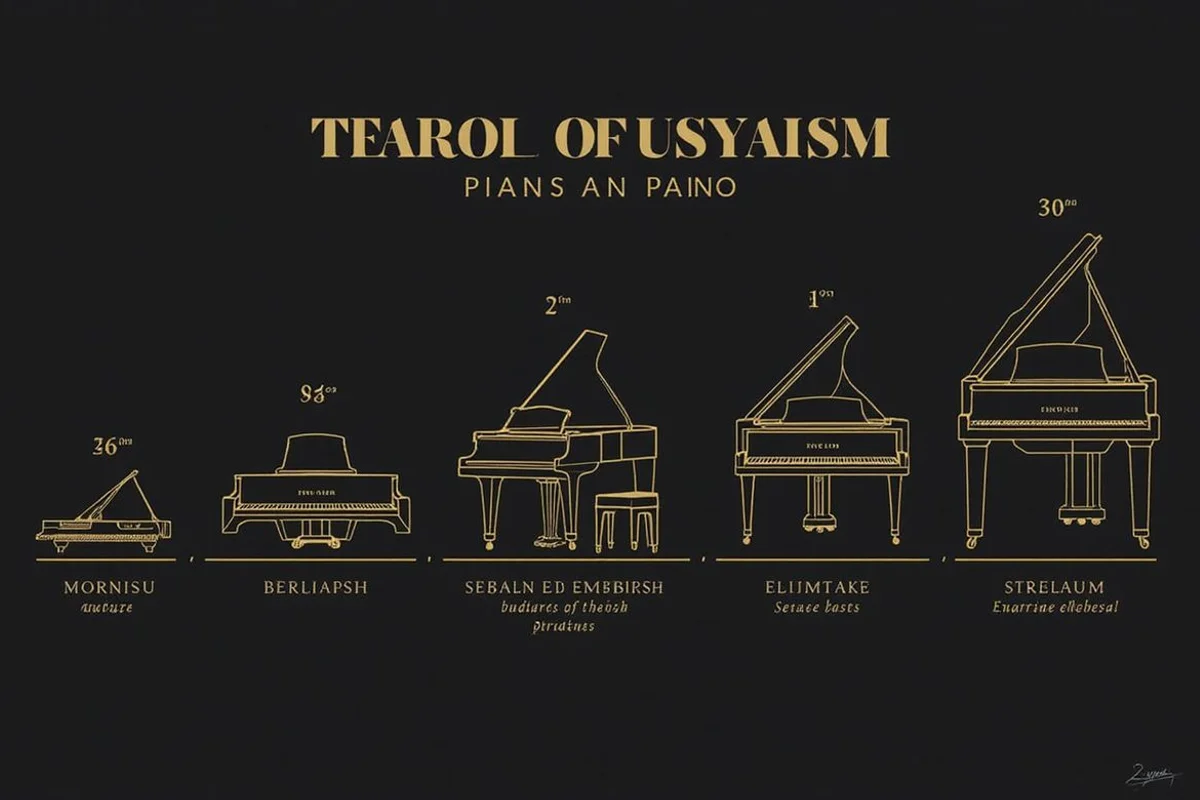
Grand pianos: £8,000 - £45,000
While some buyers search for an upright grand piano price, true grand pianos start around £8,000 for compact baby models and scale up past £45,000 for professional concert instruments. The budget required opens up dramatically because you are paying for a completely different mechanical action.
Grand pianos use gravity to return the hammers, which allows for significantly faster key repetition than the spring-based action of an upright.
Typical tiers:
- Baby grand (£8,000 to £16,000): Models like the Yamaha GB1K (£9,500) and Kawai GL-10 (£10,500) fit beautifully into smaller spaces. You should plan for a dedicated floor area of at least 1.5m by 1.5m, plus room for the bench.
- Mid grand (£16,000 to £28,000): The Yamaha C2X (£22,000) and Kawai GX-2 (£22,500) offer more sustain and a deeper bass.
- Premium grand (£28,000 to £45,000+): Moving from the Yamaha C5X (£32,000) up to the Yamaha C7X (£48,000) or Kawai GX-6 (£38,000) buys you true recital-grade performance.
We always advise checking access routes before ordering one of these larger instruments. Tight corners or narrow staircases often require specialist lifting equipment.
What drives the price at each tier
The final price of any piano is dictated by string length, material quality, and the location of manufacture. Entry-level models are often built in Indonesia to keep costs low, while premium instruments are carefully hand-finished in Japan.
Moving up a tier typically buys you:
- Longer strings: Taller uprights and longer grands generate significantly more bass and longer sustain.
- Better hammer quality: Premium hammers use tighter, highly consistent felt that provides a wider range of tone colours.
- More refined action: High-end models offer extreme consistency and faster repetition across the entire keyboard.
- Better case finish: Luxury cabinets feature more coats of polyester and are completely hand-polished.
- Higher-quality soundboard: The upgrade from 3-ply laminate to solid Alaskan spruce creates a vast difference in resonance.
Our technicians always check the back posts when evaluating structural integrity. A thick, sturdy back frame ensures the instrument stays in tune for much longer.
Silent systems add £1,500 - £2,500
Factory-fitted silent systems currently add between £1,500 and £2,500 to the base price of a new piano. These systems solve the problem of practicing in terraced housing or city flats without disturbing the neighbours.
As of 2026, the leading factory installations include:
- Yamaha SC3: Available on entry-level models.
- Yamaha SH3: The premium system for U-series and grands.
- Kawai ATX4: Kawai’s latest AnyTime technology.
These clever installations use non-contact optical sensors under the keys. This means the physical touch weight remains completely identical whether you are playing out loud or listening through headphones.
We strongly suggest factoring this into your initial budget if evening practice is a priority. Adding an aftermarket system later rarely produces the same perfectly integrated result as a factory-installed unit.
What about pre-owned?
A quality restored pre-owned instrument will consistently out-play a brand new piano at the exact same price point. For instance, £4,000 will buy you a new entry-level model.
That same budget could secure a fully refurbished mid-life Yamaha U1 or a restored Knight upright that feels far more substantial.
We do caution buyers to be careful with private sales. Buying second-hand from an individual carries the risk of hidden damage.
- Always inspect the soundboard for hairline cracks.
- Check the hammers for deep grooves and worn felt.
- Look for a reputable dealer offering at least a 5-year guarantee.
Our detailed pre-owned vs new piano guide walks through this specific trade-off so you can make an informed choice.
Are prices negotiable?
Base new piano prices UK wide sit very tight around the recommended retail price, leaving little room for heavy discounts. Substantial drops on the headline figure are exceptionally rare.
When they do appear, there is usually a distinct reason, such as end-of-line stock clearance or a grey-market parallel import. Dealers instead compete on valuable service bundles.
- Part-exchange: You can receive genuine credit for your existing instrument to offset the new purchase.
- Bundled logistics: Standard ground-floor delivery usually costs around £75, but we include this for free.
- First tuning included: A standard home tuning runs about £80 in 2026, which is completely covered in your package.
- Finance: Spreading the payments is a great tool, though it is smart to calculate the total interest before signing.
The easiest way to price your next piano
The fastest way to get a completely accurate new piano cost UK figure is to provide us with your exact specifications and location. Tell us your preferred brand, the rough height range you need, whether you require a silent system, and your full delivery postcode.
We will quickly come back with a firm, total-cost figure. This quote includes every aspect of the purchase, from initial workshop preparation and delivery to the first home tuning and full warranty registration.
There are no hidden extras. Reach out today, and let us help you find the perfect instrument for your space.